
Equipment
The ventilator machine
When the ventilator is turned on, it sucks in air through a filter from the room around you and blows it out under a positive pressure. The pressurised air is delivered to you through a mask attached to machine by a long tube. The ventilator delivers two levels of positive pressure: a higher level of pressure when you breathe in and a lower pressure when you breathe out.
Power supply
The ventilator works when connected to a mains electricity supply. But if you are living in an area with repeated power cuts or if you are used to travelling to places where mains electricity is not available, then you may need to discuss a battery option with your prescriber. There are a number of options available depending on your specific needs.
Masks
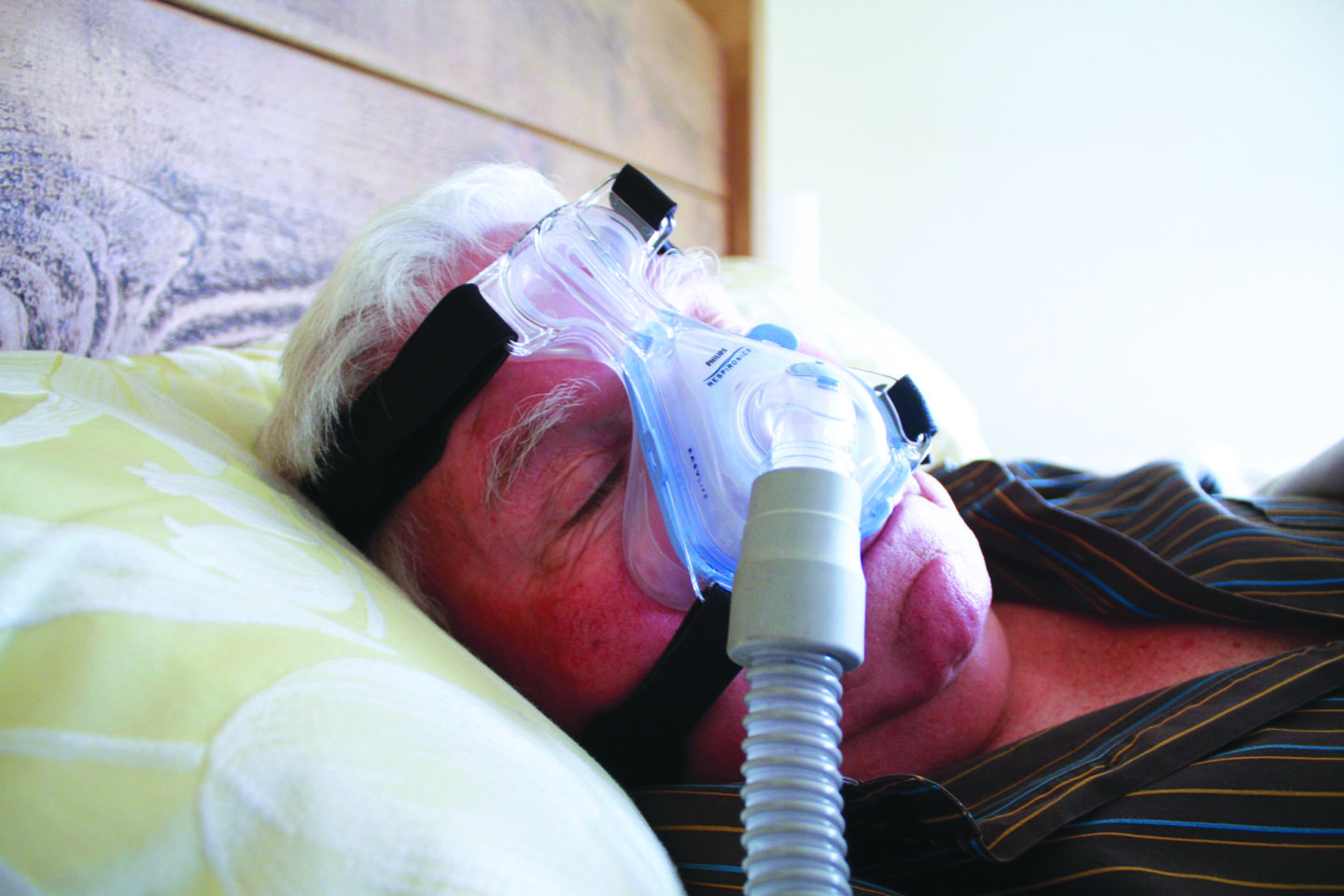
There are several different types of masks available. Full face masks are most commonly used to cover the nose and mouth if you tend to breathe through your mouth. Full face masks also ensure you get full benefit from the ventilation therapy almost immediately. Other patients prefer a nasal mask option that just covers the nose. Your clinician will prescribe the most appropriate mask type for you.
Masks are made of a soft, flexible, cushioned material mounted on a frame with straps that go round the head (head gear). Masks are designed to fit snugly on the face. A good seal and a comfortable fit are essential to prevent leaks and discomfort.
Warning
All masks have an exhalation port (usually small holes or a vent) to allow carbon dioxide to escape. This will be highlighted to you on installation. Do not cover or block these mask holes at any point.
The mask cushion should be cleaned before it is first used – use a damp cloth with warm soapy water (use washing up liquid) to wipe the cushion over. See our ‘common questions’ section for regular cleaning advice. Always wash your face before using the mask.
Keep the mask away from direct sunlight and replace it every year.
The mask and tubing you use in hospital may differ from the reusable system you use at home. Never assume you can use a mask you get in hospital with your home tubing as it may mean you have no way of removing carbon dioxide, which can make you feel unwell. Please check with the prescriber that you are using the correct mask at home.
To ensure optimum comfort and suitability, your mask will be selected from an extensive mask range and will be professionally fitted by a member of our fully-trained staff. You will then be shown how to put on and take off your mask correctly to ensure an ongoing good fit. Some masks have quick release clips to make this process easier. They can sometimes feel a little uncomfortable and claustrophobic at first, so it’s important to persevere. The most important thing is that you wear the mask properly.
Eye irritation
If the mask is leaking it will need adjusting to stop the leak. First look in the mirror to make sure the mask is in the right place. Often leaks can be stopped by pulling the mask away from your face while you are wearing it, and then placing it gently back on your face. Straps can be adjusted but should not be overtightened. Follow your fitting instructions or call our helpline. Baywater Healthcare will gladly make a follow up visit after installation to assist you in making any adjustments that are required.
Mask irritation or soreness
Your headgear may be too tight, so try loosening them a little bit. If the bridge of your nose is sore and your mask has a forehead adjuster, move this so that the mask is pushed away from the bridge of your nose. If the problem continues, it could be that you need a different type of mask; call our helpline and we can arrange a visit. If your skin has become reddened or broken, contact your nurse specialist at the hospital for advice.
Tubing and filters
The mask is connected to the machine via 6 foot (1.8m) tube. Your tubing will be replaced every year or more frequently if it becomes damaged. Please see our ‘common questions’ for regular cleaning advice. If you use a humidifier, you may need to clean your tubing more frequently.
Filter changing
There will be either one or two filters in your machine that will need to be cleaned or changed regularly. Please see our ‘common questions’ section for regular cleaning advice or refer to your user guide.
Humidifier
Some people can experience a sore nose, throat and mouth dryness and nasal congestion when using ventilation. If this is the case then a humidifier (water chamber) can be added to your machine, once prescribed by your consultant.
A humidifier will add some heat and moisture to the air that you breathe and can make therapy more comfortable and tolerable.
Warning
After using your humidifier, allow the humidifier hot metal plate to cool for at least 15 minutes before removing the humidifier water chamber from the unit.