-

Home Ventilation Therapy
Home Ventilation Therapy
In simple terms, home ventilation therapy is the use of a machine that blows positive pressure air into your lungs when you are breathing. People with respiratory failure may require home ventilation therapy.
How do the lungs work?
The main function of the respiratory system is to get oxygen into the body and to get rid of carbon dioxide (as this is a waste product of breathing). To do this, the respiratory system uses the breathing muscles to move air into the lungs. The lungs use small air sacs called alveoli to move oxygen into the blood, and remove carbon dioxide. This is called gas exchange. The oxygen is then transported around the body in the blood, and the carbon dioxide is breathed out.
If the lungs or alveoli do not work properly, this can cause difficulties in breathing due to not getting enough oxygen, or having too much carbon dioxide.
The two main reasons that may cause difficulties in breathing are:
Lung obstruction: this is where the carbon dioxide stays within the alveoli. It causes breathlessness and frequent coughing to help clear mucus secretions.
Muscle weakness: in this case, you are not able to contract your muscles enough to allow air to enter the lungs and provide oxygenation.
Main symptoms of respiratory failure
People with respiratory failure may develop symptoms due to not having enough oxygen or too much carbon dioxide. These symptoms may include:
Restlessness, confusion, agitation and breathlessness caused by not having oxygen.
Headaches, drowsiness and confusion caused by too much carbon dioxide.
Respiratory failure can be acute (starts quickly) or chronic (develops slowly).
Respiratory failure is usually confirmed when you are in hospital by taking an arterial blood gas sample (also known as an ABG). This sample of blood is taken from an artery rather than from a vein and is usually taken from the wrist. This provides accurate information about how well the respiratory system exchanges oxygen and carbon dioxide. You may also be required to do an overnight sleep study and some lung function tests.
Your consultant is the best person to speak to and advise you on your specific medical condition.
How does a ventilator machine help respiratory failure?
The machine blows air into the lungs using positive pressure, and you may hear it being called Non-Invasive Ventilation or NIV for short. As well as blowing in positive pressure air as you breathe in, the NIV will also blow in air when you breathe out, but at a lower pressure to make it more comfortable. The NIV assists you when you breathe, working with you, not against you.
The positive pressure from the NIV helps to keep the smaller airways in the lungs open and the alveoli inflated, which helps you to get oxygen in and carbon dioxide out of your lungs more easily.
It also supports the muscles which makes your lungs work and makes it easier for you to breathe in and out, and reduce the effort you need to make. This will help you to breathe more effectively and take bigger breaths than usual.
This should help you to feel less breathless and to relieve other symptoms you may be having. It can also reduce admissions to hospital, improve quality of life and help you live longer.
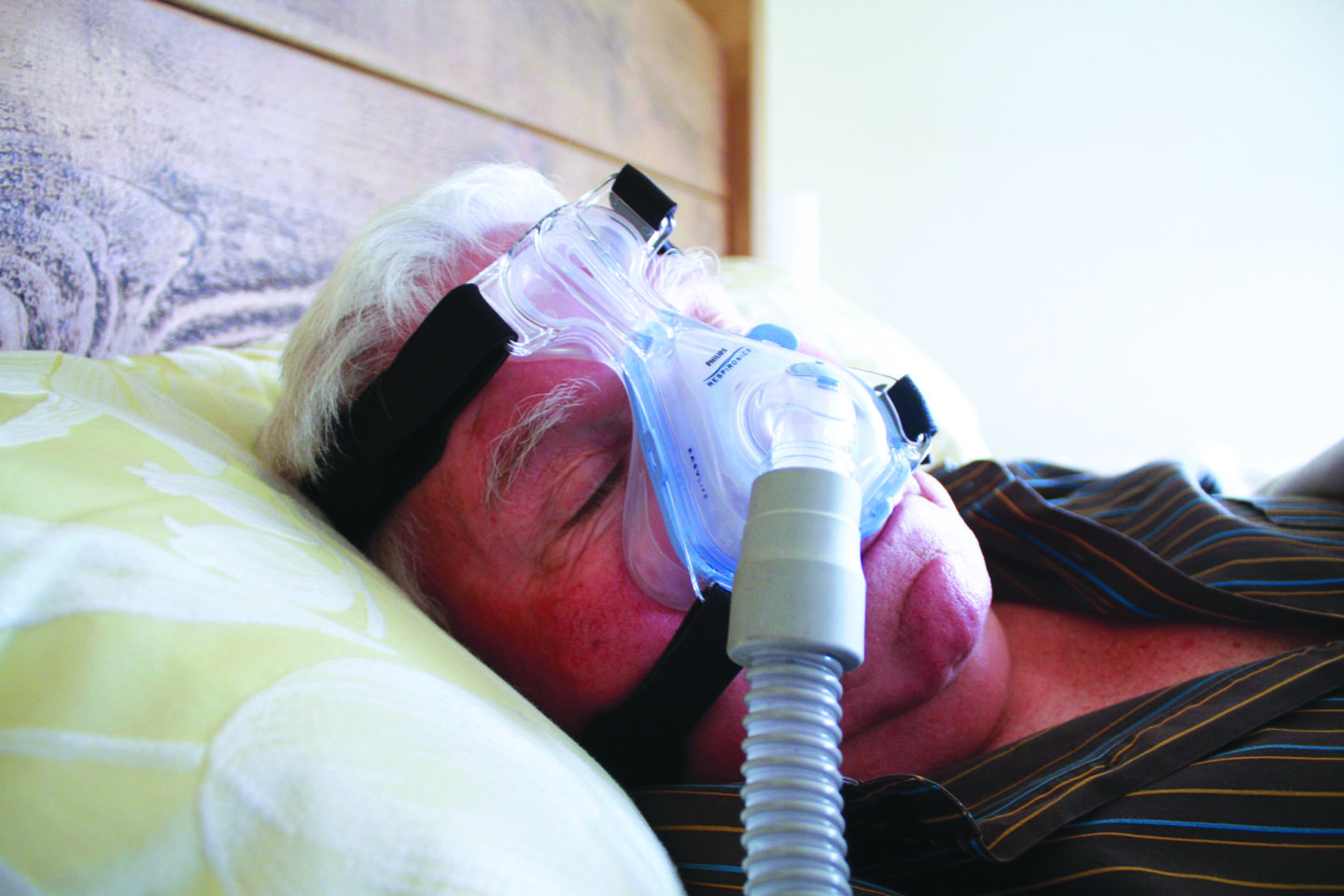
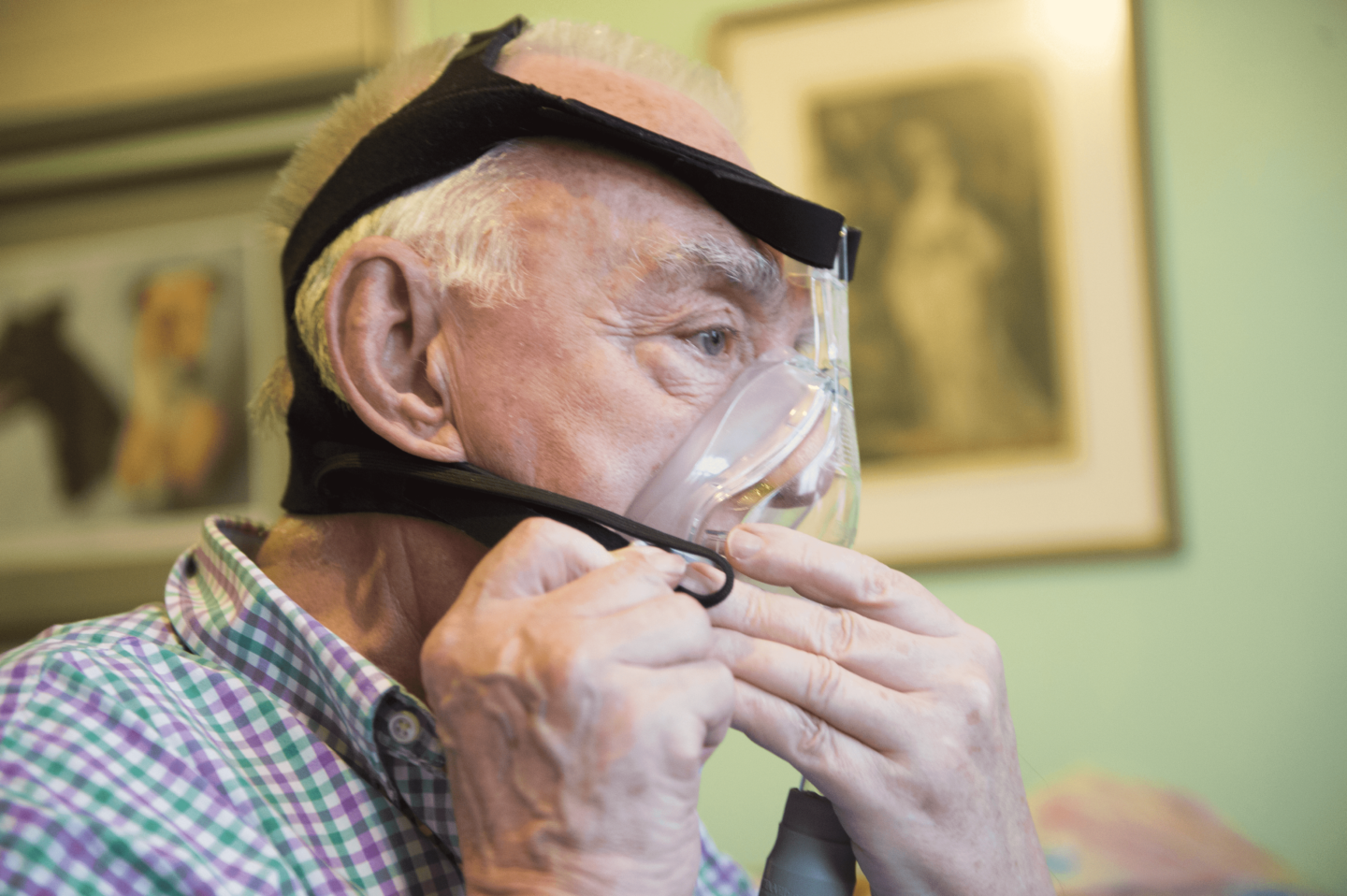
To use the NIV, you need to wear a mask attached to the machine via a long tube. The mask fits either just over the nose (nasal mask), or over both the nose and mouth (full face mask). Straps can be adjusted to hold the mask firmly in place as NIV doesn’t work well if the mask leaks. However, the mask can be easily removed to take a drink or to enable you to move away from the machine should you wish to go to the toilet etc.
Home ventilation therapy:
- Gives you a better night time sleep and therefore less daytime tiredness
- Improves lung function – allows better oxygen intake
- Makes the breathing out of carbon dioxide more efficient – reduces morning headaches
- May make it easier for you to clear your airway of mucus secretions
- Gives you more energy to carry out daily activities
- May make you feel more alert and have more energy to perform tasks during the day
- Can reduce re-admissions to hospital
Baywater Healthcare supplies a range of NIV machines for both hospital and home use, with nasal and full-face masks.